
Tipping — known locally as baksheesh — is customary and genuinely expected throughout Egypt, and on a Nile cruise it typically breaks down into two main categories: a collective tip for the ship's crew, commonly cited in the range of $8–12 per person per night and pooled together at the end of the cruise, and a separate tip for your Egyptologist guide, commonly $5–10 per person per day for a shared group tour. Drivers, porters, and site staff are tipped separately in smaller amounts. None of this is legally required, but it's a deeply embedded part of how service wages work in Egypt's tourism industry, and skipping it is considered unusual rather than a bold money-saving move.
Why Tipping Matters So Much in Egypt
Baksheesh isn't quite the same concept as a restaurant tip in the US or Europe — it's a broader, older custom that touches far more transactions, from a small coin for someone who helps you find a bathroom to a structured end-of-cruise gratuity for the whole crew. Base wages in Egypt's tourism sector are often modest, and tips make up a meaningful share of real income for cruise staff, guides, and drivers. Understanding this upfront helps explain why tipping here feels more woven into daily life than it might at home, and why cruise operators build a tipping system into the trip rather than leaving it entirely to guesswork.
How Nile Cruise Tipping Actually Works: The Envelope System
Nearly all Nile cruises handle crew tipping the same way: rather than tipping individual staff members throughout the trip, guests pool their gratuity into an envelope (sometimes two — one for the general crew, one for the Egyptologist guide) and hand it in on the final day, usually at the reception desk or directly to the guide. Cruise staff will typically give you a suggested-amount guideline sheet a day or two before disembarkation, along with the envelopes themselves. The pooled amount is then divided among housekeeping, waitstaff, kitchen staff, and the rest of the crew by the ship's management, so everyone who worked on your cruise benefits, not just the staff you happened to interact with most.
A few practical notes on this system:
- Write the amount on the outside of the envelope as instructed — this keeps the process transparent for the crew handling distribution.
- Cash only — cruise ships don't run gratuities through your onboard bill or a credit card.
- The guide's tip is usually handled separately from the crew envelope, often given directly and personally on the last full day of the cruise.
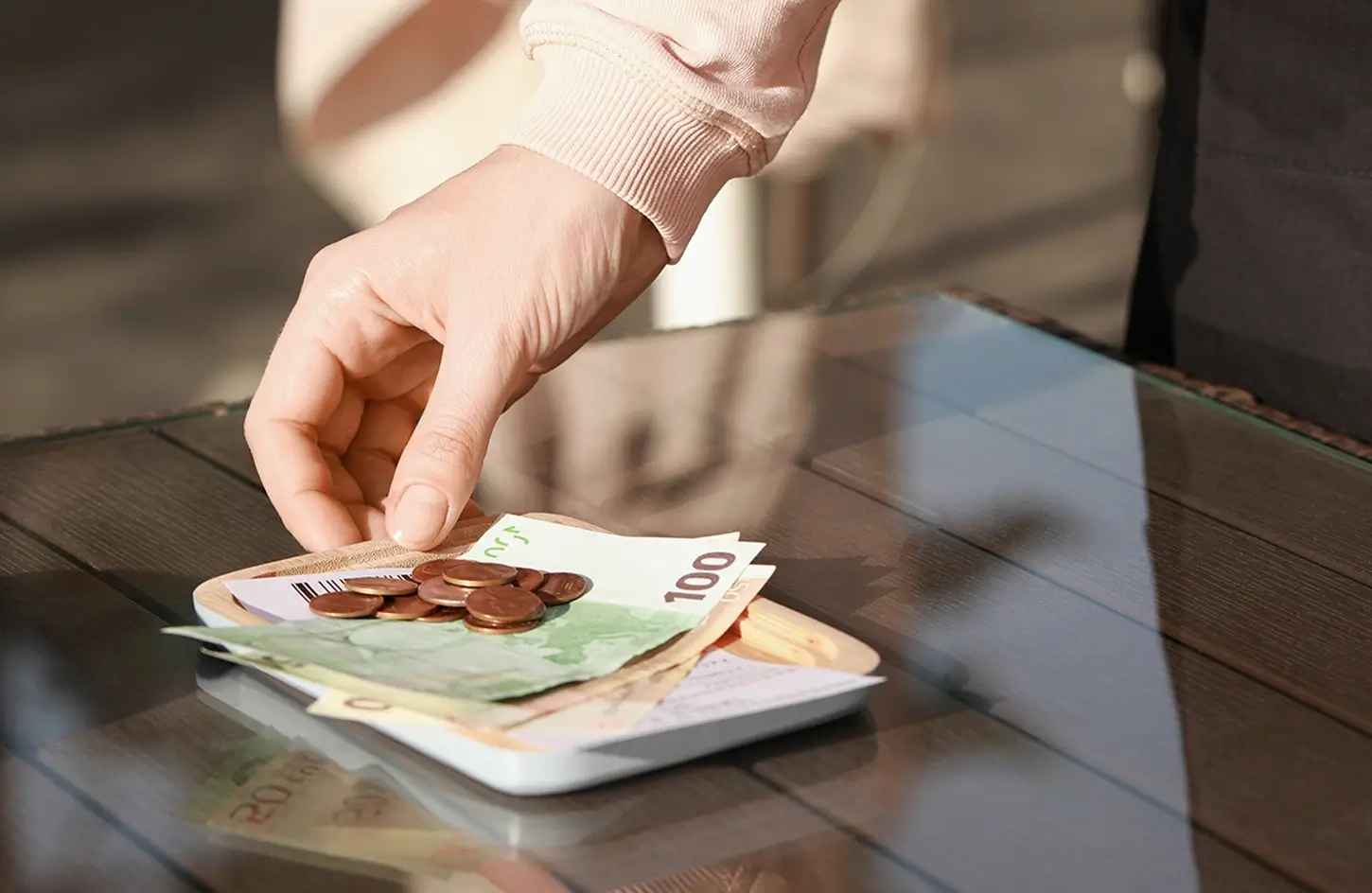
Tipping Breakdown: Who Gets What
| Recipient | Commonly suggested amount | How it's given |
|---|---|---|
| Cruise crew (collective pool) | Roughly $8–12 per person, per night | Pooled envelope, handed in at end of cruise |
| Egyptologist/cruise guide (shared group) | Roughly $5–10 per person, per day | Given directly, usually on the last day |
| Private guide (if not part of a shared group) | Higher than the shared-group rate — ask your operator for a suggested figure | Given directly at the end of each touring day or the trip |
| Driver | A smaller amount than the guide, tipped separately | Given directly at the end of each day or the trip |
| Porters (airport/hotel/cruise) | Roughly $1 per bag | Handed directly when bags are carried |
| Restroom attendants at sites | A few Egyptian pounds in coins | Left in the tray or handed directly |
Treat these as a starting reference rather than a fixed rulebook — actual customary amounts can vary a little by cruise category, group size, and season, and your cruise operator's own guidance sheet (handed out near the end of the trip) is the most specific source for your particular ship.
Tipping Your Cruise Guide
Your Egyptologist guide is a different role from the ship's crew — they're the one narrating Karnak, the Valley of the Kings, and Kom Ombo, often with a genuine depth of knowledge that shapes how much you get out of each site. Guide tips are handled separately from the crew envelope, and the amount generally scales with group size: a guide shepherding a large shared group typically receives a smaller per-person amount than one running a private or small-group tour, since the total adds up differently. If your guide went well beyond the basics — arranging something special, handling a hiccup smoothly, or simply being excellent at their job — increasing the tip a bit at your discretion is normal and appreciated.
Tipping Drivers
Drivers are tipped separately from guides, even though they're often working the same excursions — it's a different job and, by local convention, treated as a distinct tip rather than something folded into the guide's gratuity. It's common for drivers to receive a smaller amount than guides, reflecting the difference in roles, but they should still be tipped directly rather than assumed to be covered by anyone else's gratuity.

Tipping Outside the Cruise
If your trip includes time in Cairo, Giza, or a Red Sea resort before or after the cruise, a few more situations come up:
- Hotels: Porters who carry bags, and housekeeping for longer stays, are commonly tipped a small amount per bag or per day.
- Restaurants: Check whether a service charge is already included on the bill; if not, a tip of around 10% is customary in tourist-oriented restaurants.
- Taxis: Rounding up the fare is common practice rather than a large separate tip.
- Felucca sailors, camel and horse handlers: A small tip is customary and expected, agreed informally at the end of the activity.
- Restroom attendants and site staff: Keep small Egyptian pound coins on hand for this — it's a near-constant small expense throughout the day at tourist sites.
Best Practices: Cash, Currency, and Etiquette
- Bring small bills. US dollars or euros in small denominations (5s, 10s, 20s) are widely preferred for tips over Egyptian pounds, since hard currency holds its value better for the recipient. That said, EGP is accepted and useful for the many small, informal tips (restroom attendants, minor favors) that come up throughout the day.
- Have a stash of small notes before you need them. Trying to tip with a large bill and expecting change rarely goes smoothly — break larger notes early in the trip.
- Tipping isn't optional in practice, even though it's not legally mandatory. It's built into how the tourism industry compensates staff, and arriving with a plan (and the cash to execute it) makes the whole trip smoother for you and fairer to the people serving you.
- Don't feel pressured beyond the guidance. The ranges above and your cruise's own suggestion sheet are meant to be reasonable, not a floor you're expected to exceed by default.
A Simple Budget Example
For a 4-night Nile cruise for two people, a rough tipping budget — using the ranges above — might look like $70–100 for the pooled crew envelope, plus a separate amount for your guide and driver across the excursion days, commonly landing somewhere in the range of an additional $60–100 total for a typical multi-day touring schedule. Building a rough cash budget like this before you go, and bringing it in small denominations, removes most of the last-minute stress around tipping.
With tipping budgeted for, the last step is picking your cruise — browse our Nile cruises to compare itineraries and see what's included in the fare.