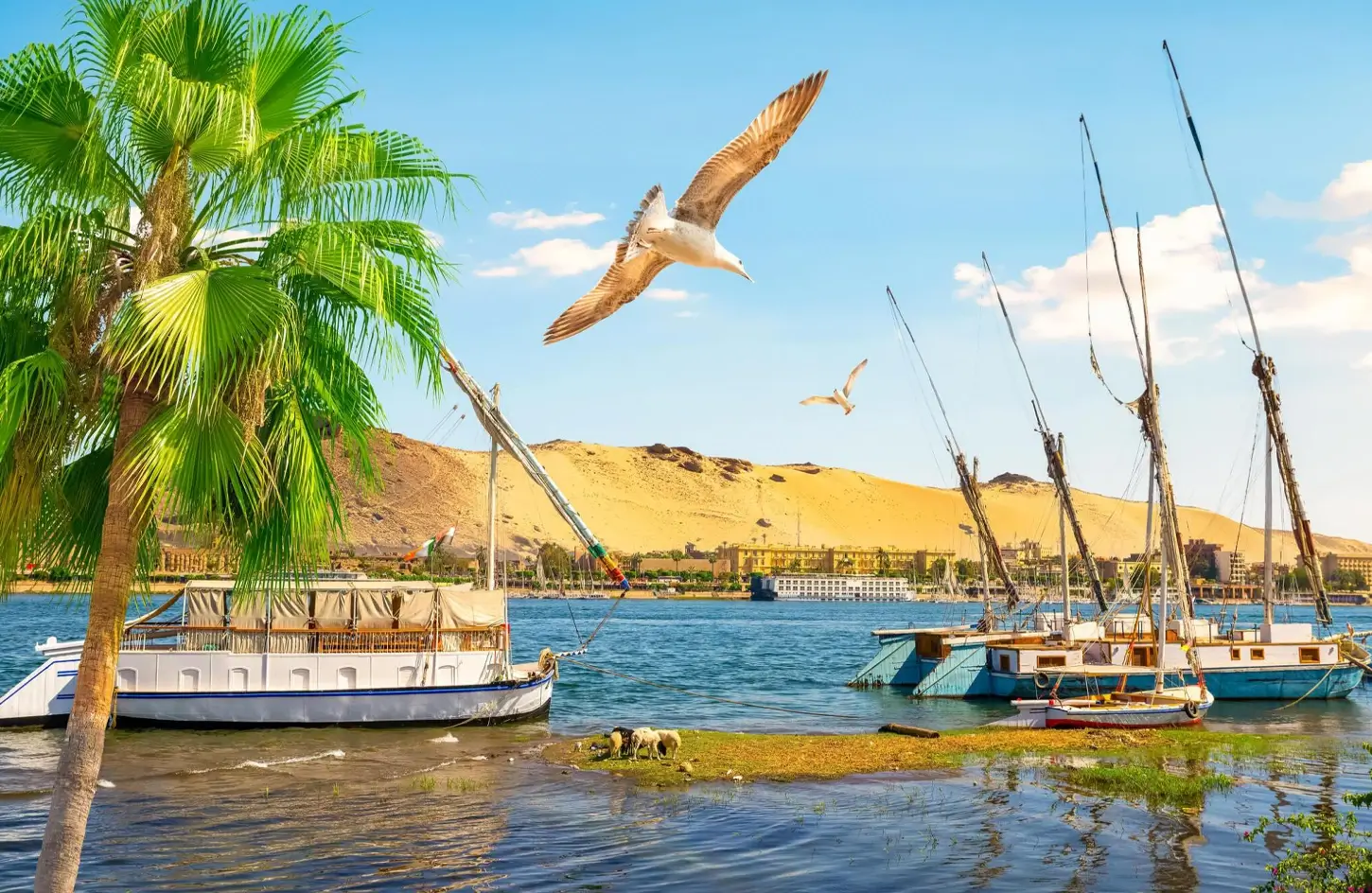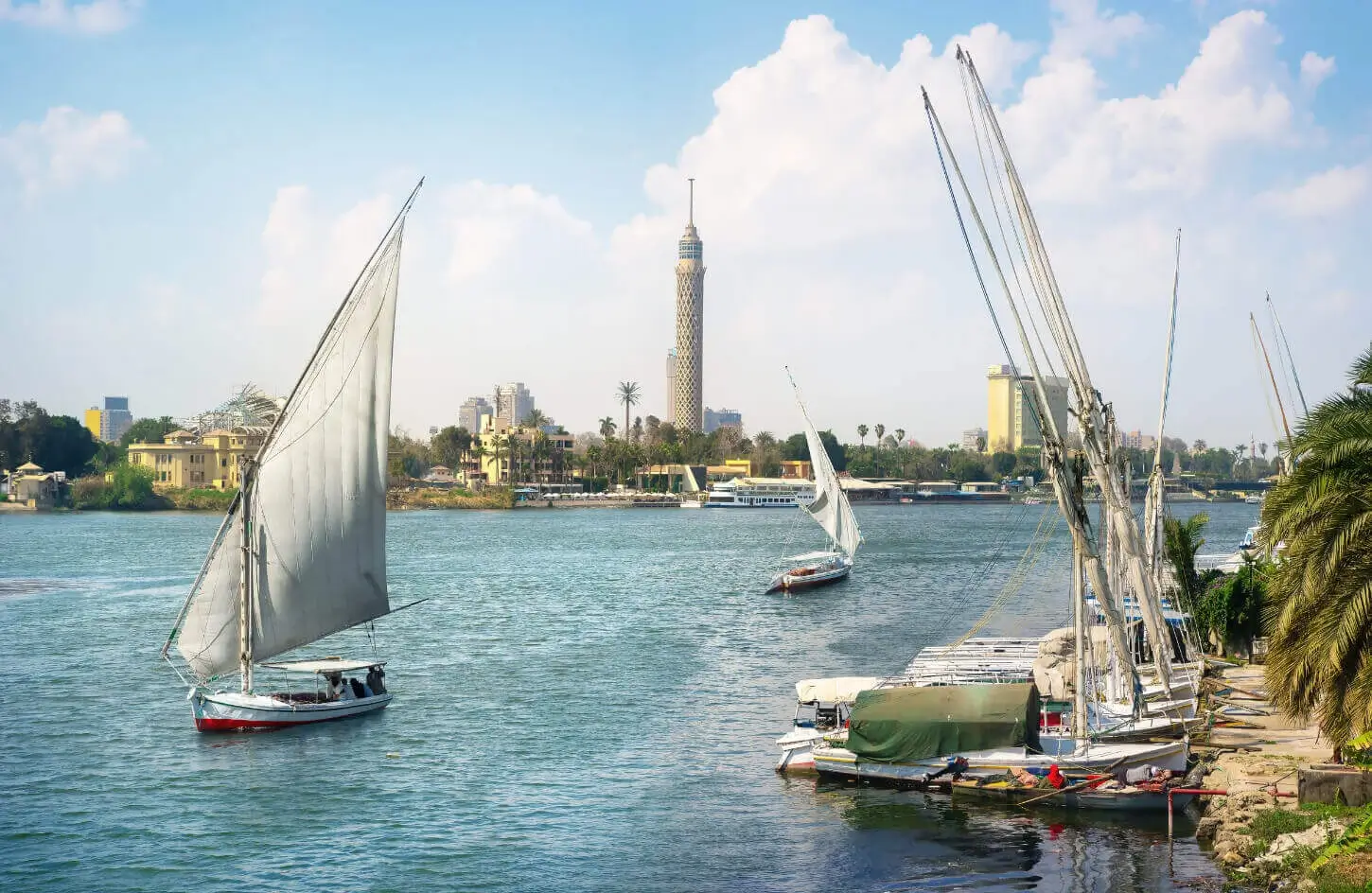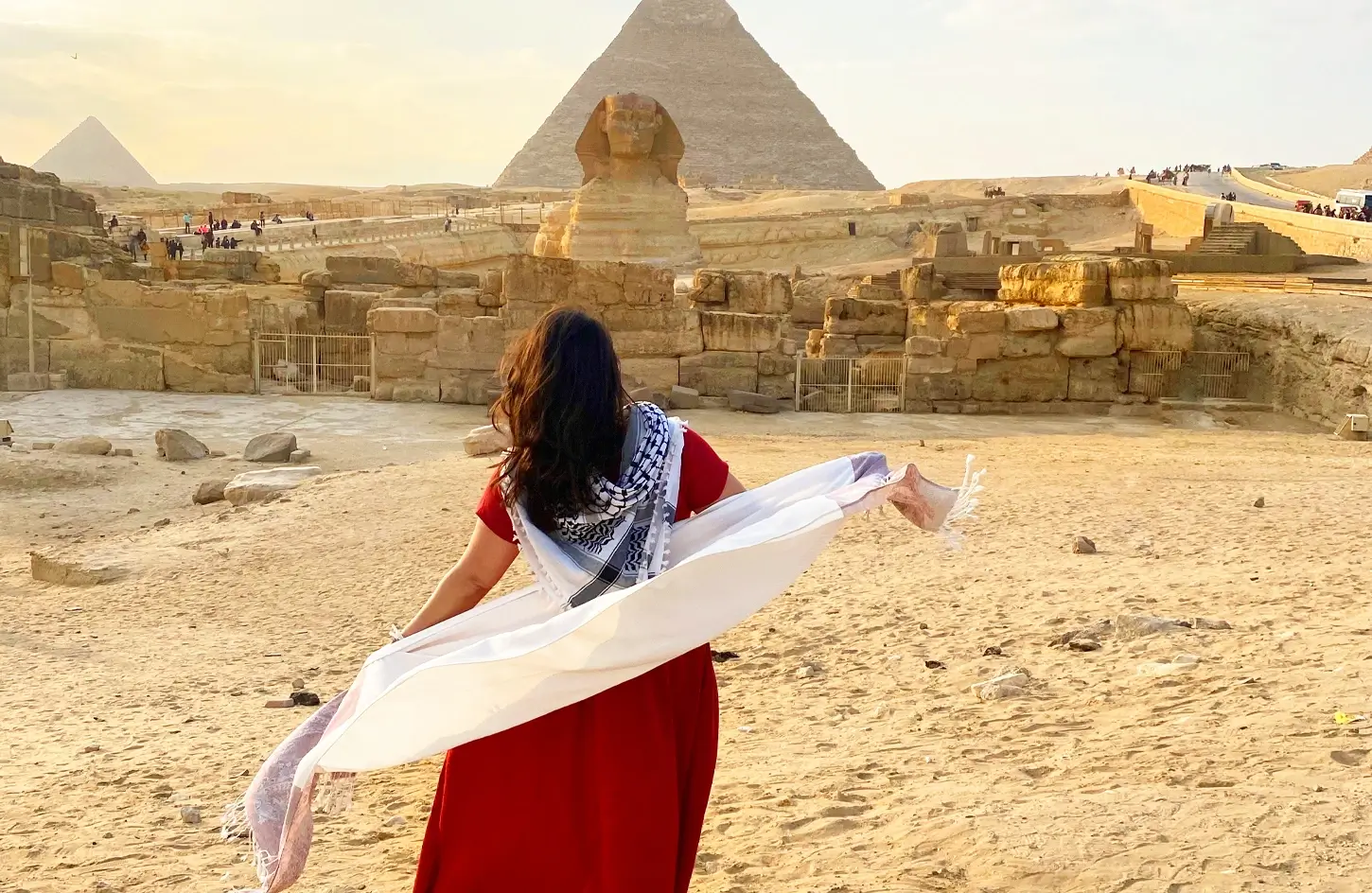
A Nile cruise is genuinely one of the more comfortable ways to experience Egypt solo, because the structure does most of the logistical and social work for you — guided excursions, set meal times, and a small, repeat group of fellow passengers naturally create company without any effort on your part. The main practical hurdle isn't safety or loneliness so much as the single supplement, an added fee many cruises charge solo travelers for occupying a cabin built for two — worth asking about before you book.
Why a Nile Cruise Works Well for Solo Travelers
Independent travel in any unfamiliar country involves a certain amount of logistical overhead — figuring out transport, vetting guides, planning each day from scratch. A Nile cruise removes almost all of that. Your accommodation, meals, transport between sites, and expert guiding are bundled into a single itinerary that runs on a set schedule. You show up, and the day is planned. For solo travelers specifically, that structure has a knock-on benefit: you're placed among the same group of fellow passengers for days at a time, at shared meals and on shared excursion buses, which creates natural, low-pressure opportunities to talk to people without the effort of seeking company out in a new city each night.
The Single Supplement: What to Expect
The one financial wrinkle solo travelers run into is the single supplement — an extra charge cruise operators add when one person books a cabin designed and priced for two. This isn't specific to Egypt; it's standard across the cruise industry generally. The size of the supplement varies by operator, cabin category, and season, so it's worth asking directly what a solo traveler pays on a specific cruise rather than assuming a flat rule. A few things that can work in your favor:
- Some cruise operators offer a "guaranteed share" option, pairing you with another solo traveler of the same gender to split a twin cabin at no supplement — ask if this is available if the standalone price feels steep.
- Off-peak sailing dates sometimes come with a reduced or waived single supplement, since operators are more motivated to fill cabins.
- Booking further ahead sometimes offers more flexibility than a last-minute booking.
The bottom line: ask about the single supplement specifically when you inquire about a cruise, rather than discovering it as a surprise at checkout.
Meeting People Onboard
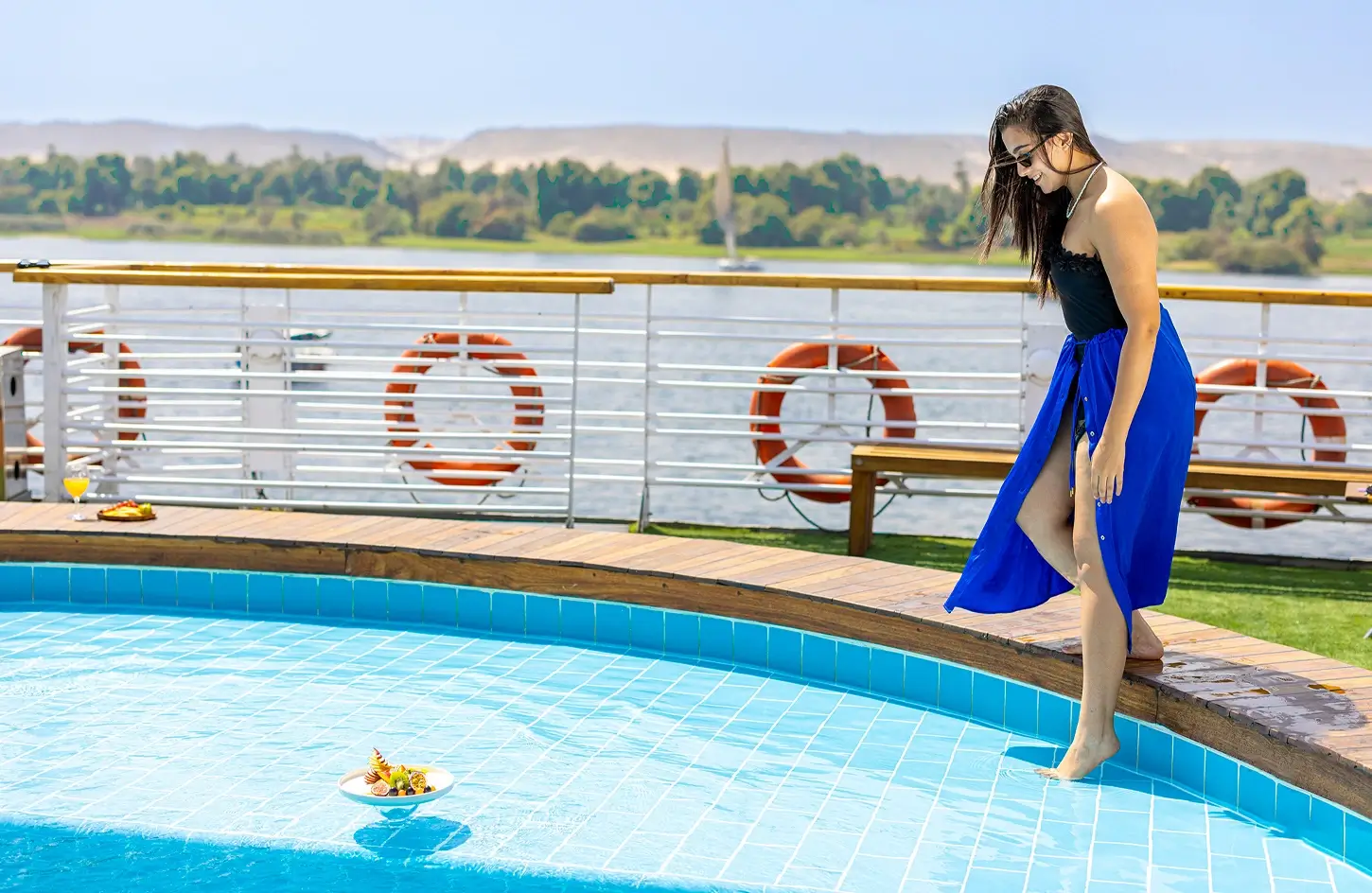
Most Nile cruise ships are small enough — often somewhere between 40 and 120 cabins — that you'll recognize the same faces by day two. Meals are typically served at shared or semi-shared tables rather than at assigned private seating on smaller ships, and excursions are conducted as a group, with a single Egyptologist guide narrating at each site. Both of these naturally put solo travelers in conversation with others, whether it's a comment about the heat at Karnak or a shared reaction to the scale of Abu Simbel. Evenings often include a lounge or bar area, and gala/galabeya nights in particular tend to be sociable, festive events where it's easy to end up chatting with other guests.
Solo Female Travelers: What to Know
Egypt is a popular and generally welcoming destination for solo female travelers, and a cruise setting adds an extra layer of comfort compared to fully independent backpacking, since you're not navigating transport, hotel check-ins, or unfamiliar streets alone each day. That said, it's worth noting that solo women in Egypt — as in many countries — sometimes attract more unsolicited attention or comments, particularly in busy markets or from vendors at tourist sites. A few things help:
- Dressing modestly (covering shoulders and knees, as covered in our packing guide) tends to reduce unwanted attention and is also simply respectful of local norms.
- A firm, brief, unengaged response to unwanted comments or vendor pressure works better than a long explanation.
- Sticking with the group during shore excursions, rather than wandering off independently in markets or unfamiliar streets, is a sensible default — not because the destination is unusually risky, but because it's good practice anywhere unfamiliar.
- Tourist police are a visible, constant presence around major sites and along the Luxor–Aswan cruise route, which is reassuring in practice, not just in theory.
None of this is meant to overstate the risk — plenty of women travel the Nile solo without incident, and the cruise format specifically minimizes the situations (unfamiliar taxis, solo night walks, figuring out transport in a new city) where most travel-safety friction tends to occur.
A Day in the Life: What Solo Travel Actually Feels Like Onboard
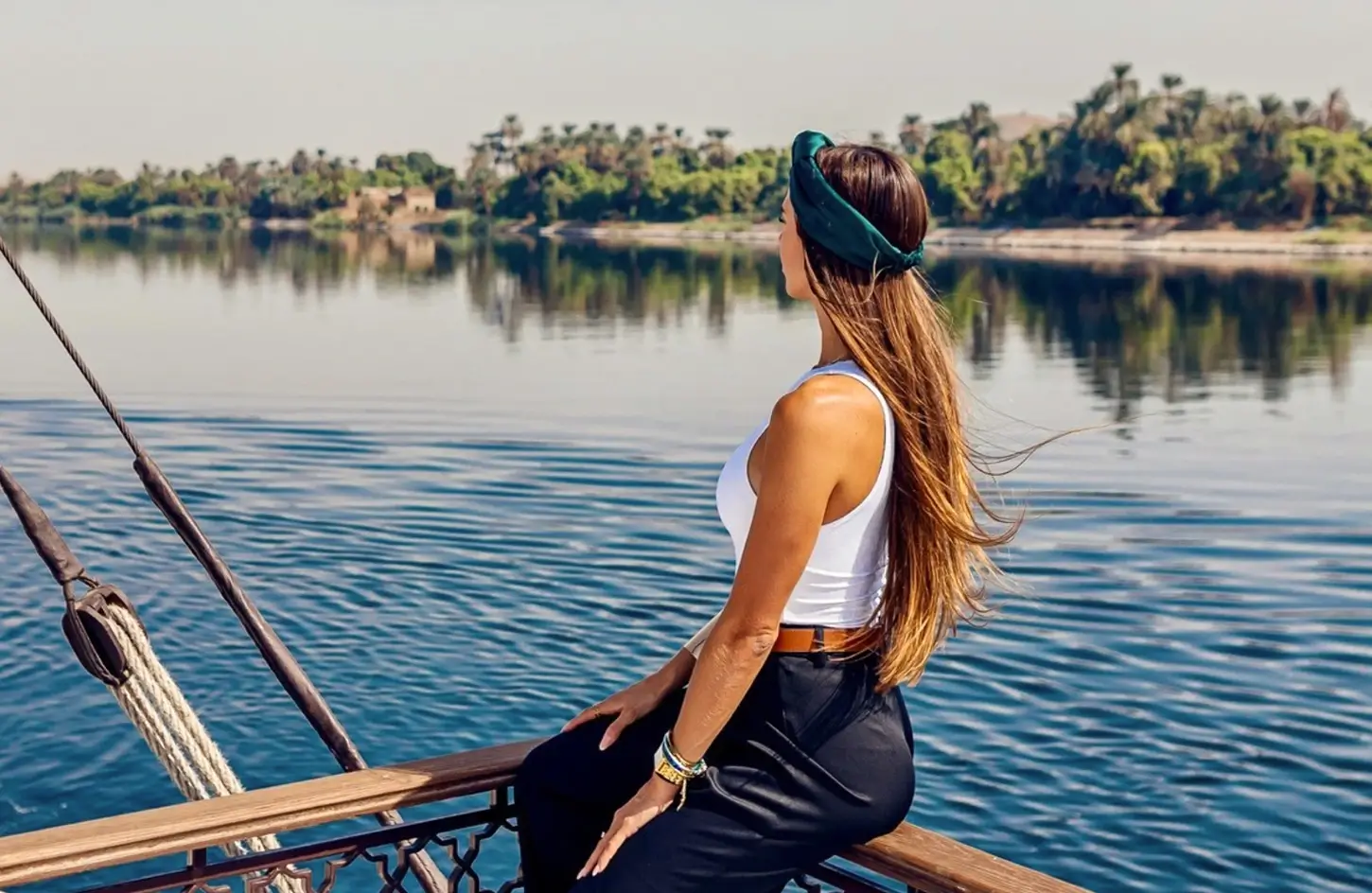
Mornings typically start early with a group excursion — Karnak Temple at sunrise, the Valley of the Kings, or Kom Ombo, depending on where you are in the itinerary — done alongside the rest of the ship's passengers and a shared guide. You're back onboard for lunch, often with some free time in the early-to-mid afternoon while the ship sails to the next stop, which is genuinely one of the more pleasant parts of solo travel here: no obligation to fill every hour, just the option to read on the sun deck, nap, or watch the riverbank go by. Afternoon tea and a second excursion (or downtime, depending on the day) follow, then dinner, often the most social meal of the day. It's a rhythm that leaves solo travelers plenty of built-in company during the "programmed" hours of the day, and equally plenty of guilt-free solitude during the sailing stretches, without either feeling forced.
Is It Lonely?
Some solo time is inevitable and, for most people who choose this kind of trip, welcome — the long sailing stretches between Luxor and Aswan aren't designed to be constantly social, and that's part of the appeal for many solo travelers who want a break from planning and interacting. Where a Nile cruise differs from, say, solo backpacking through a string of unfamiliar cities is that you're never actually isolated: there's a guide to ask questions, staff who get to know your name over a multi-day cruise, and the same small group of fellow guests at every meal. Most solo travelers report it feels more like structured personal time than isolation — dinner conversation is available if you want it, and solitude is available if you don't, without either requiring extra effort to arrange.
Practical Tips for Solo Nile Cruise Travelers
- Ask directly about the single supplement and any share-cabin options before booking.
- Book through an established, reputable cruise operator — the structure that makes solo travel comfortable here depends on a well-run ship and a genuinely knowledgeable guide.
- Pack a book, journal, or downloaded shows for the quieter sailing stretches between stops.
- Be open to sitting at shared or communal tables rather than requesting a table for one — it's where most of the onboard socializing happens.
- Keep valuables in your cabin safe during excursions, and carry a copy rather than the original of your passport and visa approval when on shore.
- Register your trip with your home country's traveler safety program and share your itinerary with someone back home, as you would for any solo trip.
- Buy travel insurance that covers solo travel and medical evacuation.
If a Nile cruise sounds like the right fit for traveling solo, browse our Nile cruises to compare itineraries, ship sizes, and what's included.