A Luxor to Aswan Nile cruise typically runs three to five nights, with four nights (five days) being the most common length. Each day alternates between a morning temple visit, a stretch of sailing on the river, and one or two more sites before dinner back on board. By the end of the trip you'll have covered Karnak, Luxor Temple, the Valley of the Kings, Edfu, Kom Ombo, and Aswan's High Dam and Philae Temple — all without repacking a bag.
Because cruise operators sequence excursions slightly differently depending on sailing times and river traffic through the Esna lock, no two itineraries are identical minute-for-minute. But the overall shape of the week is consistent enough that you can plan around it with confidence. Here's a realistic look at how the days unfold, direction assumed from Luxor south to Aswan (the reverse direction, Aswan to Luxor, hits the same sites in reverse order, usually over three or four nights instead of four or five).
Luxor to Aswan, or Aswan to Luxor?
Both directions visit the same sites, but the experience isn't quite identical. Sailing from Luxor to Aswan means traveling upstream, against the current, which is one reason this direction is more often sold as a longer four- or five-night itinerary — there's simply more river to cover at a gentler pace. Sailing from Aswan to Luxor goes downstream, with the current, and is frequently packaged as a slightly shorter three- or four-night trip. Neither direction is objectively better: if your flights land you in Luxor first, going south makes sense logistically, and vice versa. What matters more than direction is simply confirming how many nights and which stops are included, since operators use "Luxor-Aswan" and "Aswan-Luxor" fairly loosely as route names rather than strict promises about duration.
Day 1: Embarkation and Luxor's East Bank
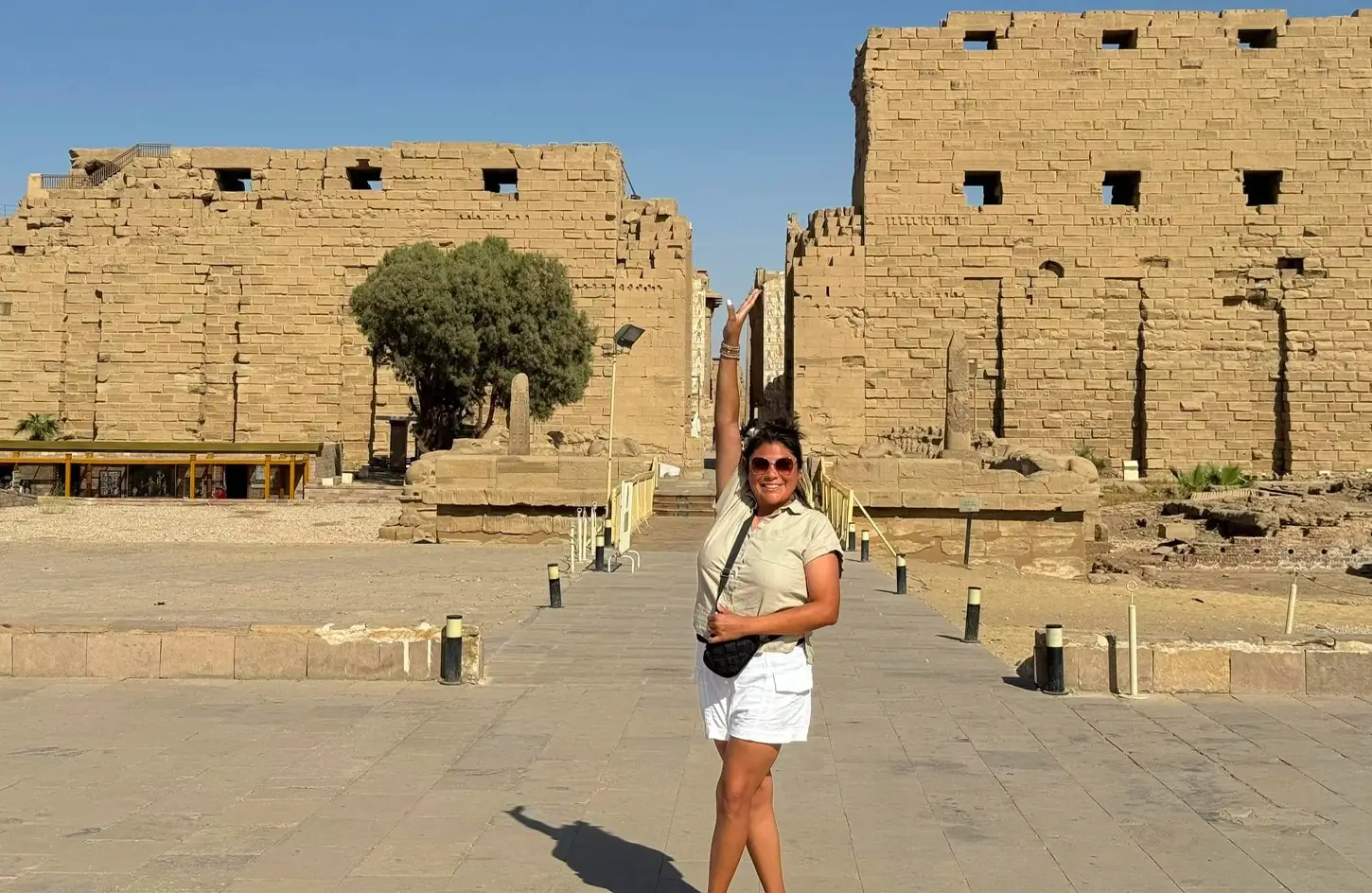
Most cruises begin with afternoon boarding in Luxor, since morning flights and trains from Cairo arrive around midday. After check-in, lunch, and a safety briefing, the afternoon is usually reserved for Luxor's East Bank sites — the side of the river where the living city and the temples of the gods were built, as opposed to the West Bank's necropolis.
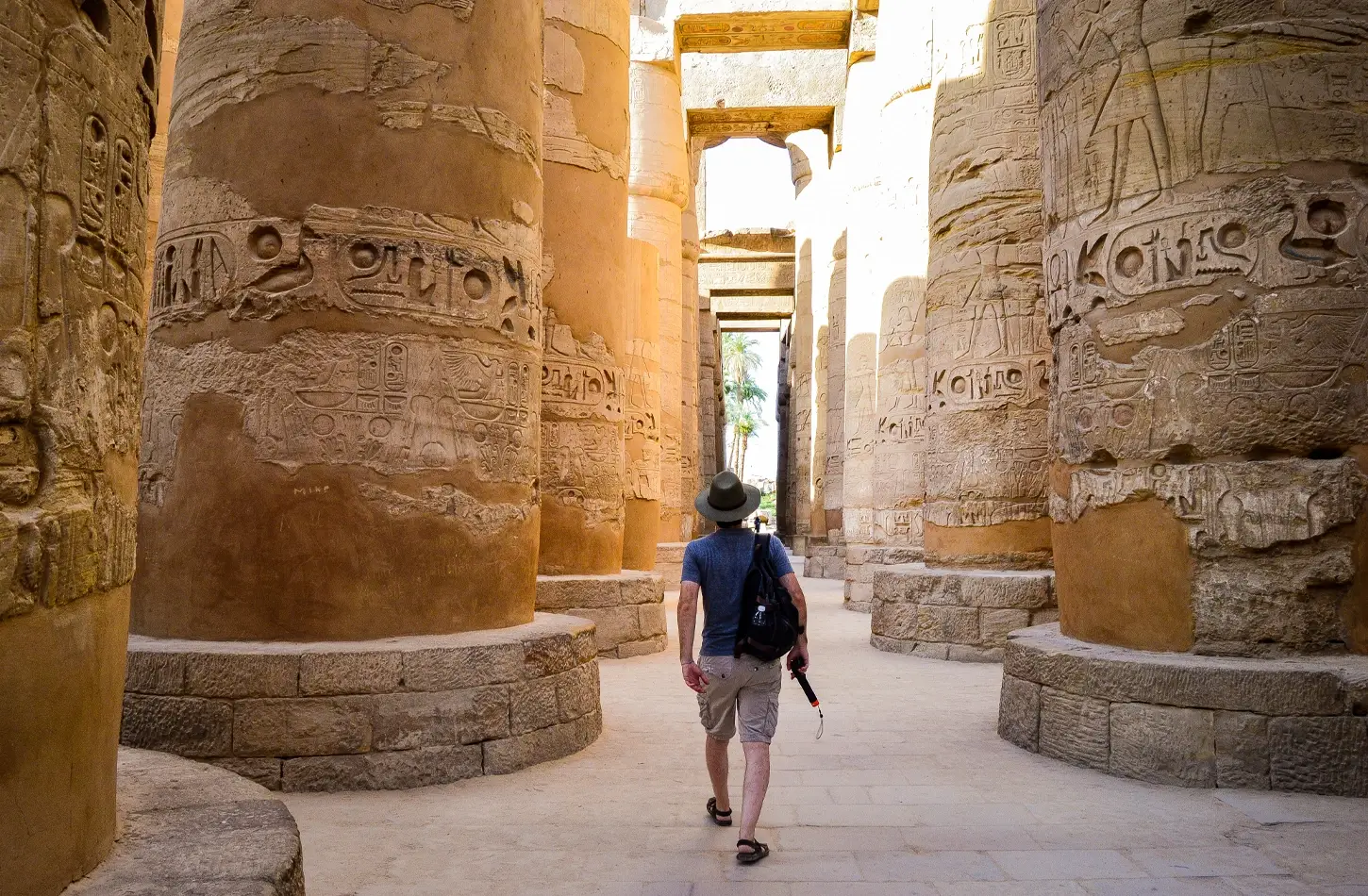
- Karnak Temple — the largest religious complex from the ancient world, anchored by the Great Hypostyle Hall and its forest of columns.
- Luxor Temple — smaller and more contained than Karnak, often visited in the late afternoon or after dark when it's beautifully floodlit.
The ship usually stays docked in Luxor overnight, giving you a second look at the illuminated temples from the sun deck after dinner.
Day 2: The West Bank, Then Sailing South
Day two is West Bank morning — the necropolis side of Luxor, reached by a short drive across the river (or, if the ship has repositioned, a shorter crossing). This is the busiest morning for sightseeing on the whole cruise, so an early start is standard.
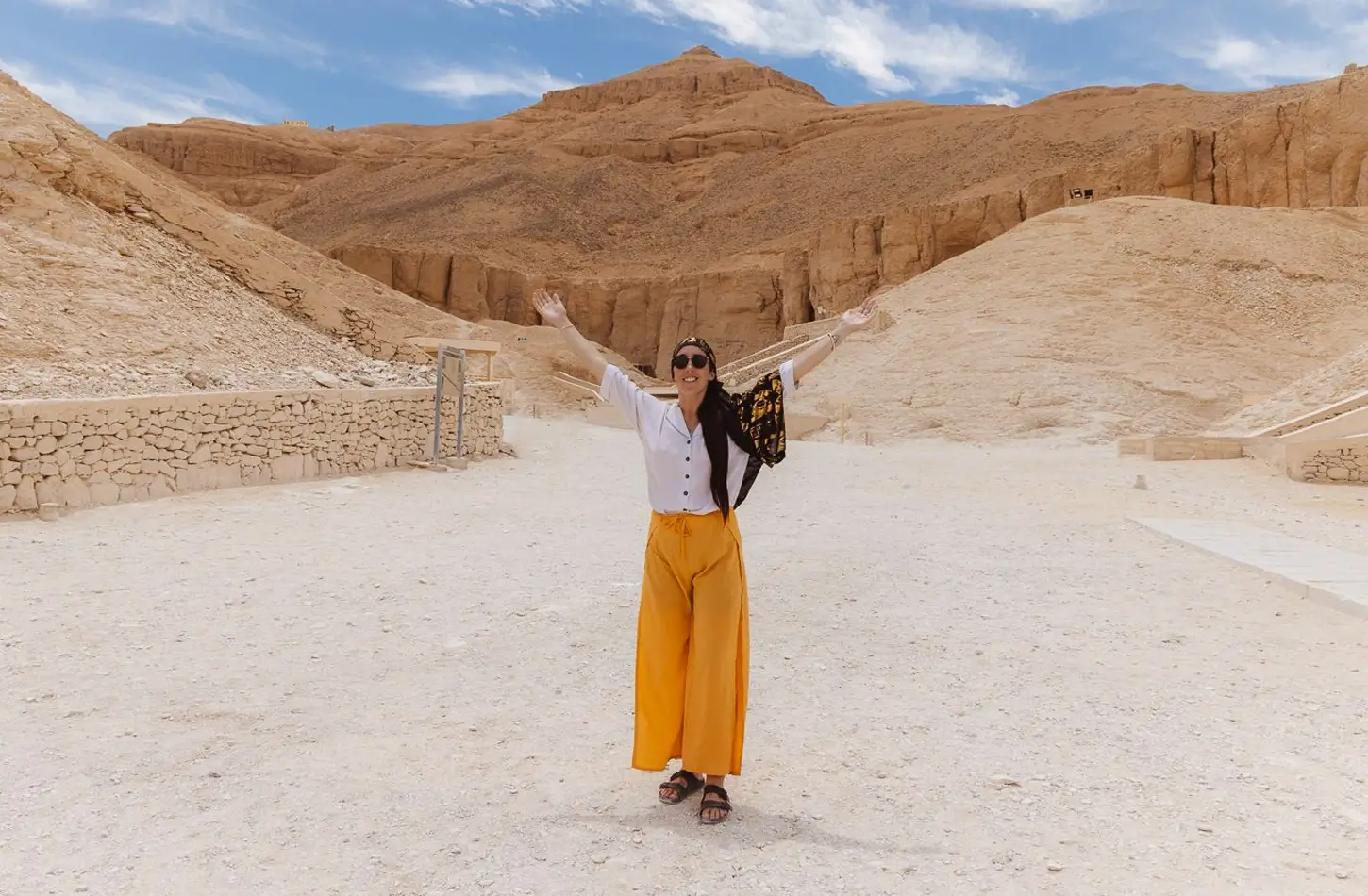
- Valley of the Kings — the rock-cut tomb complex where New Kingdom pharaohs, including Tutankhamun, were buried.
- Temple of Hatshepsut — the terraced mortuary temple of Egypt's most prominent female pharaoh, set dramatically against the cliffs at Deir el-Bahari.
- Colossi of Memnon — two enormous seated statues, usually a brief photo stop on the way back to the ship.
By early afternoon, the ship casts off and begins sailing south toward Esna, Edfu, and eventually Aswan. This is your first real "sailing day" moment — deck chairs, tea service, and river scenery slipping past. Ships heading upstream (south) generally pass through the lock at Esna, a single-chamber lock that regulates river levels; wait times vary with river traffic, so don't be surprised if the ship queues for a while here.
Day 3: Edfu and Kom Ombo
The middle day of the cruise is built around two temples that couldn't be more different in feel.
- Temple of Edfu — dedicated to the falcon god Horus and remarkably intact thanks to centuries buried under desert sand. Since the temple sits back from the river, most ships arrange horse-drawn carriages (locally called caleches) to cover the short distance from the dock.
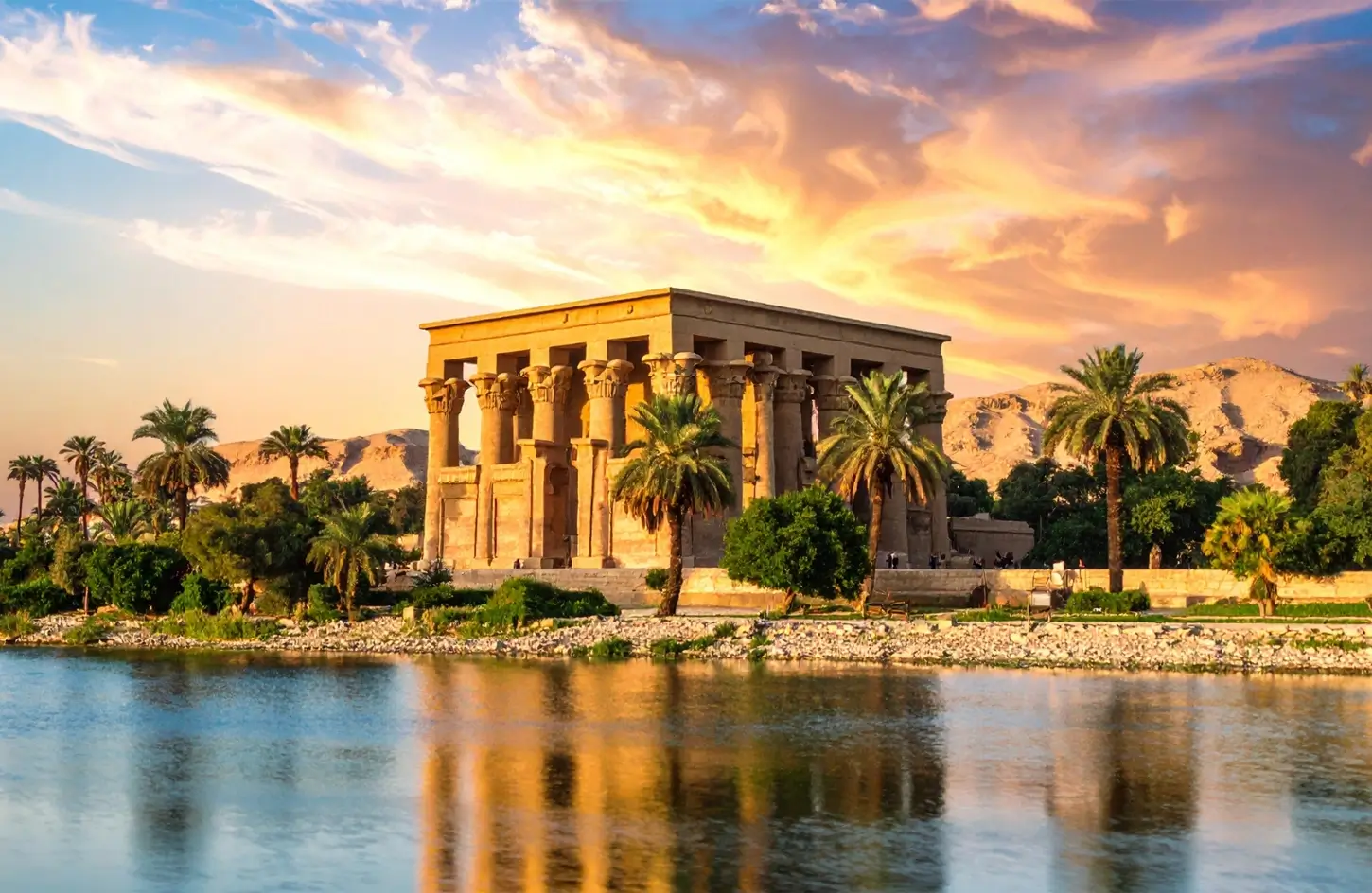
- Temple of Kom Ombo — a unique double temple honoring both Sobek, the crocodile god, and Horus, built directly on the riverbank so the ship can dock almost at its doorstep. It's often visited in the late afternoon or early evening, when the light on the columns is particularly good.
Sailing continues through the day between the two stops, with the ship reaching Aswan that evening or overnight.
Day 4: Aswan Sightseeing
Aswan feels different from Luxor the moment you arrive — smaller, more relaxed, with a visible Nubian influence in architecture, food, and music. The sightseeing here is more compact than Luxor's, which usually leaves room for a slower afternoon.
- Aswan High Dam — a quick stop at the viewpoint, with a small pavilion explaining its role in controlling the Nile's flood cycle and forming Lake Nasser.
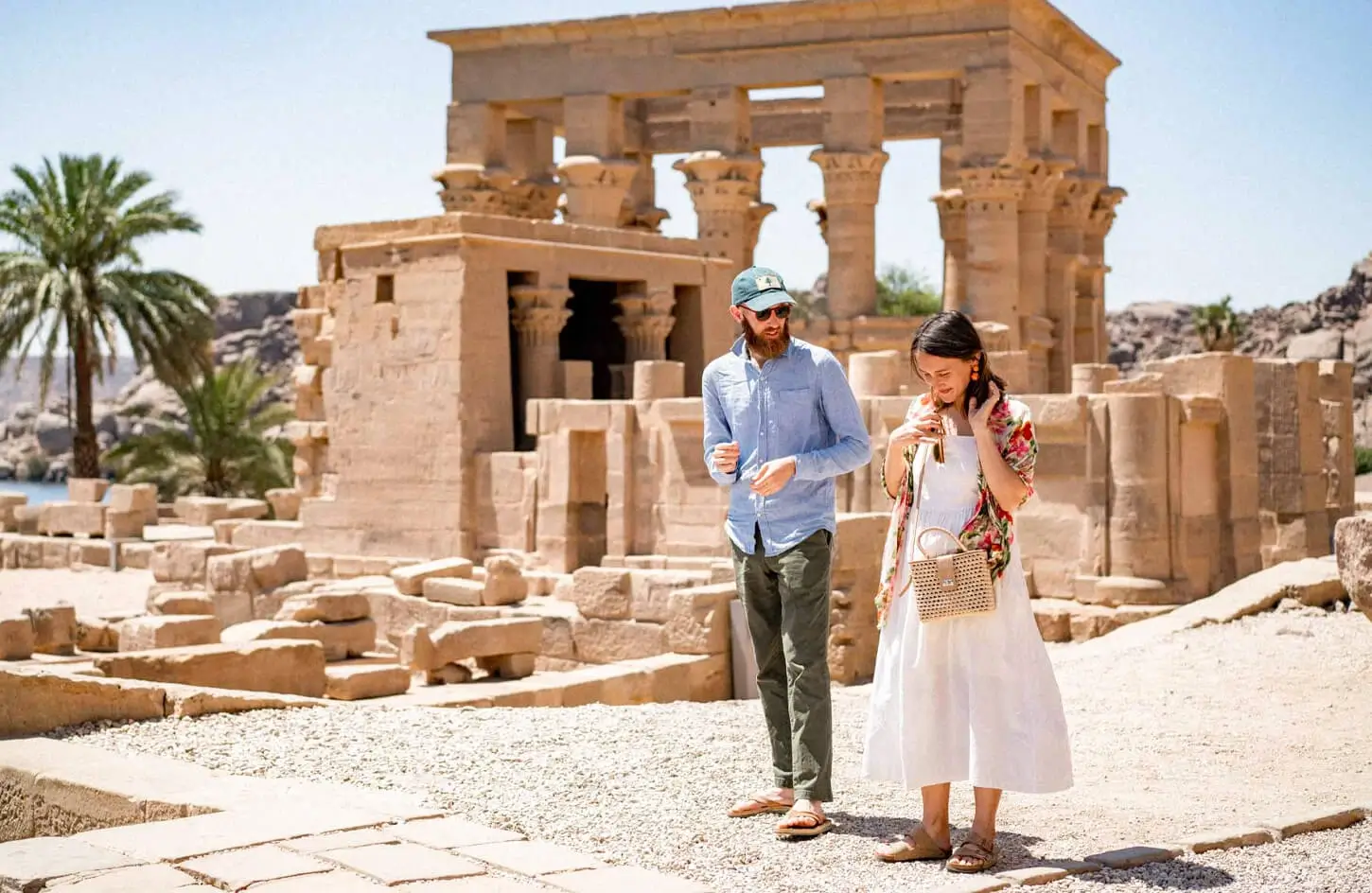
- Philae Temple — reached by a short motorboat ride to Agilkia Island — was relocated in a major UNESCO engineering project to save it from the very lake the dam created.
- Unfinished Obelisk — an abandoned granite obelisk still attached to bedrock in an ancient quarry, useful for understanding how the Egyptians actually carved and moved stone.
Many itineraries also build in optional add-ons at this point: a felucca sail around Elephantine Island and the Aga Khan Mausoleum, a visit to a Nubian village, or — if you're willing to add an early start — a day trip to Abu Simbel, which isn't part of the standard route since it sits well south of Aswan on Lake Nasser rather than the Nile itself.
Day 5: Disembarkation
The final morning is usually unstructured or reserved for any excursions that couldn't fit the day before, followed by breakfast, checkout, and a transfer to Aswan's airport or train station. If you booked Abu Simbel as an add-on, it's often scheduled for this last morning, either by road or by a short flight, before your onward connection.
Onboard Life Between the Stops
The sailing stretches between temple stops are as much a part of the trip as the sightseeing itself, and it's worth knowing what to expect so you don't treat them as dead time. Most ships schedule a rhythm of their own alongside the excursions:
- Afternoon tea is a near-universal fixture on the sun deck as the ship gets underway, often with pastries or small snacks included.
- A galabeya party is a common one-off evening event, usually mid-cruise, where passengers are invited to dress in traditional Egyptian galabeya robes for dinner, often followed by music and a belly-dancing or Tanoura (whirling) performance.
- A small pool and sun deck are standard even on modestly priced ships, and they get genuine use during the warmer sailing afternoons between Edfu and Kom Ombo or Kom Ombo and Aswan.
- Onboard lectures or briefings before each excursion are common — a guide will typically walk you through what to expect at the next morning's temple the evening before, which is worth attending even if you've read up in advance.
These in-between hours are also a good chance to watch the Nile Valley go by — riverside villages, farmland, date palms, and other cruise ships passing in the opposite direction — which, for many travelers, ends up being as memorable as the temples themselves.
What Varies Between Cruise Tiers
The stops themselves don't change much between cruise categories — every ship on the Luxor-Aswan route calls at the same handful of temples, because that's simply where the river and the sites are. What changes are pacing, cabin comfort, and how excursions are run (larger groups vs. smaller ones, included vs. optional add-ons, guide quality). If you're comparing options, it's worth looking at the difference between a standard Nile cruise, a deluxe Nile cruise, and a luxury Nile cruise before booking, since the itinerary skeleton described above applies to all three.
Packing and Preparation Notes
- Comfortable, closed-toe walking shoes for uneven temple ground and tomb entrances with steps.
- A hat, sunglasses, and reef-safe sunscreen — most excursions happen outdoors with little shade.
- A light scarf or shawl for women visiting mosques or for anyone wanting extra sun coverage.
- A modest amount of small-denomination cash for tipping guides, drivers, and caleche operators.
- A basic swimsuit — most ships have a small sun deck pool for the sailing afternoons.
If this day-by-day rhythm sounds like the trip you want, browse Egypt Cruise Trips' full range of Nile cruises to compare durations, ships, and what's included at each stop.