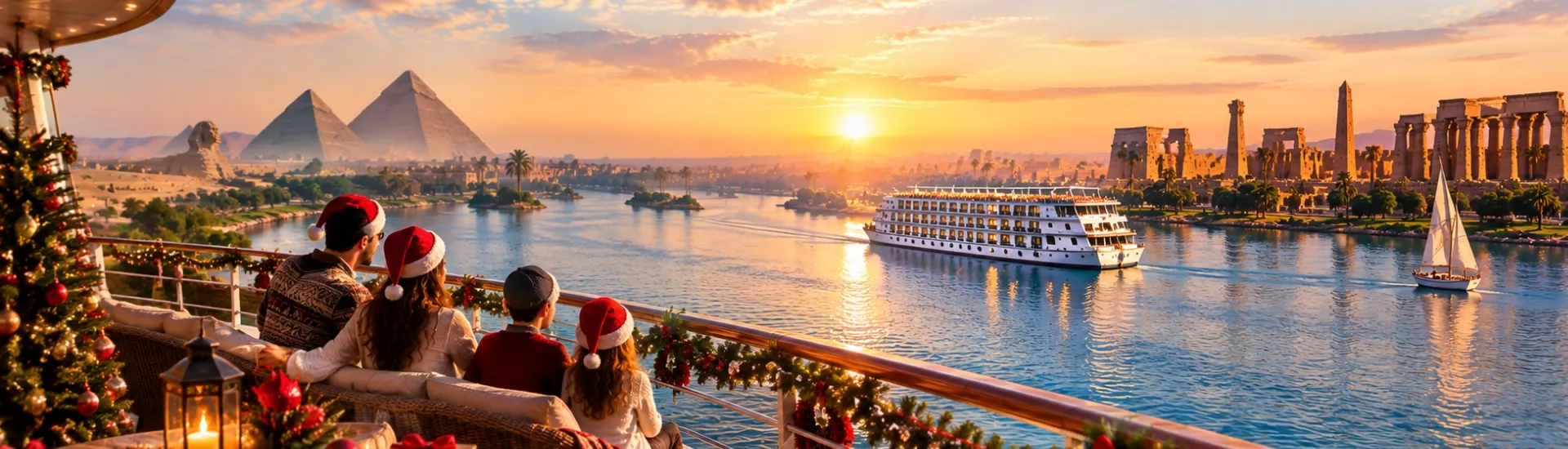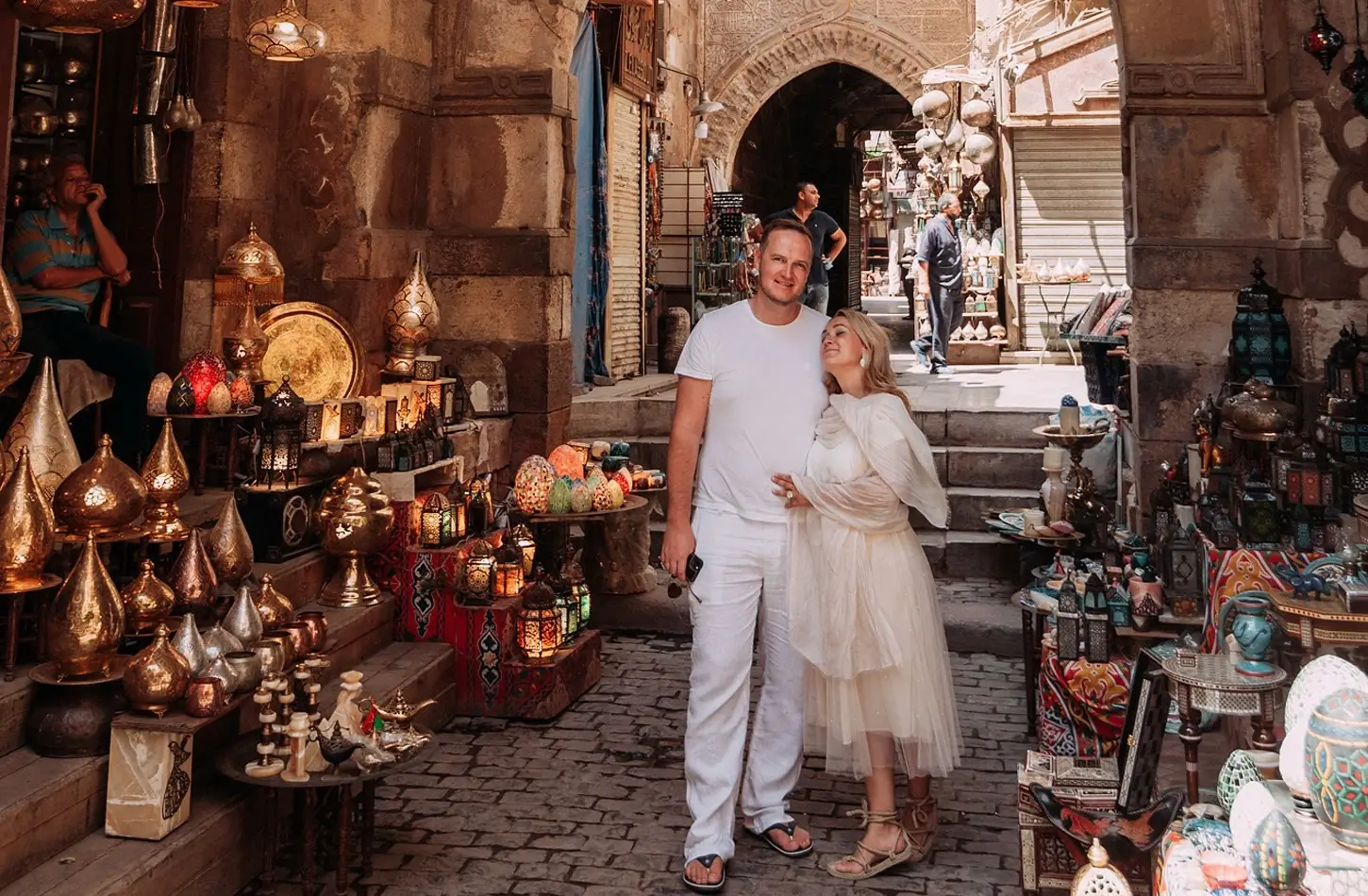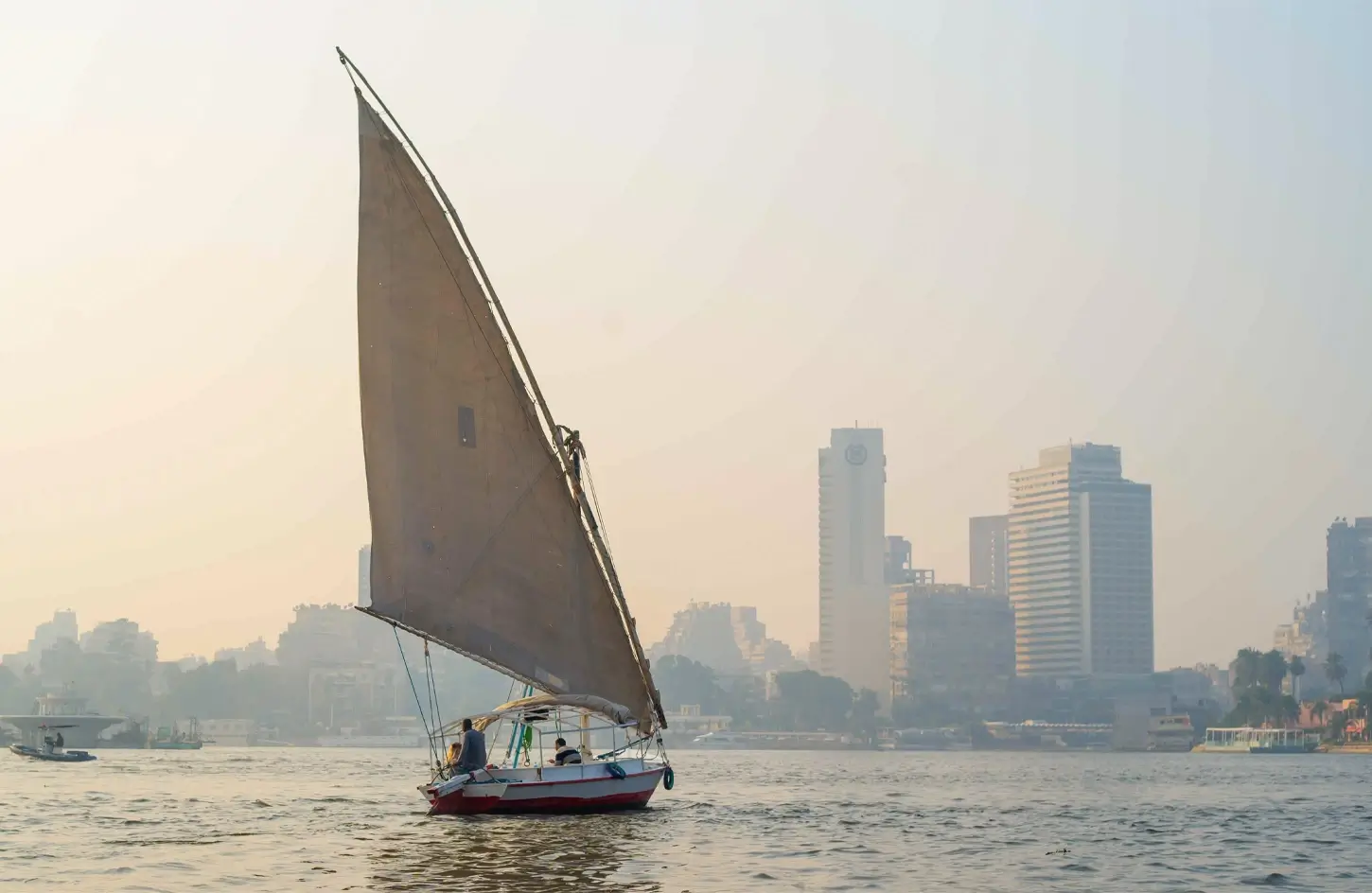
December through February is Egypt's peak Nile cruise season because daytime temperatures in Luxor and Aswan settle into a mild, comfortable low-to-mid 20s°C (73–77°F) — ideal for hours of walking around outdoor sites like Karnak Temple and the Valley of the Kings — while rainfall stays negligible. That same comfortable weather draws the largest number of travelers of the year, which means fuller ships, busier monuments, and the highest prices, especially around Christmas and New Year.
What Winter Weather Actually Feels Like on the Nile
Winter in Egypt isn't cold in the way a European or North American winter is, but it is noticeably cooler than the rest of the year, and that's exactly why it's so popular.
- Cairo: Daytime highs around 18–20°C (64–68°F), with nights that can drop into single digits °C. Pack a proper jacket if you're spending time in Cairo before or after your cruise.
- Luxor and Aswan: Warm, pleasant days in the low-to-mid 20s°C, but mornings and evenings on the sun deck can be genuinely chilly — a light jacket or fleece is worth having for early departures to the Valley of the Kings or an evening on deck.
- Rain: Essentially a non-factor in Upper Egypt; the odd shower is more likely in Cairo or Alexandria, and even there it's rare and brief.
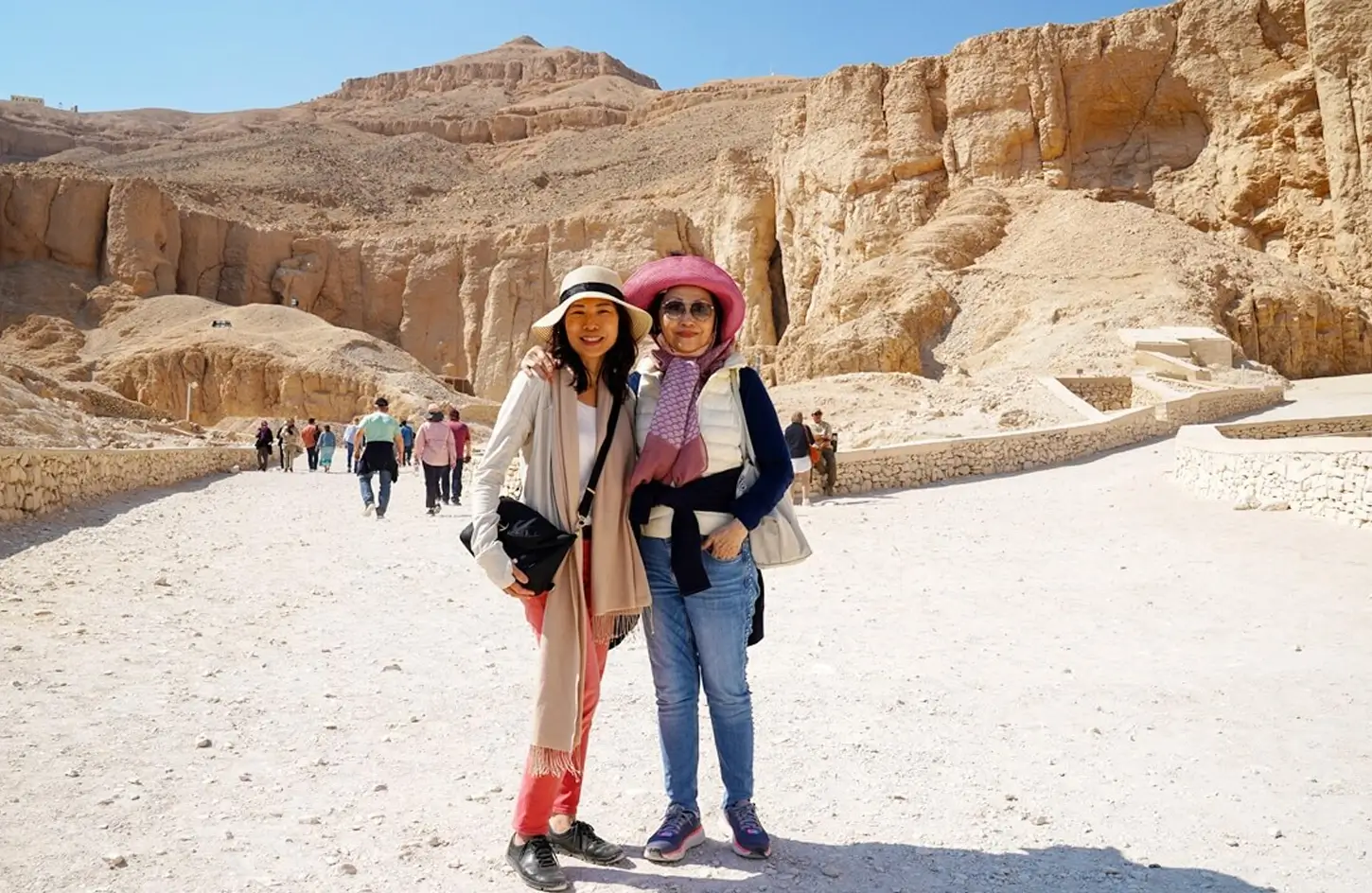
The net effect is a climate that lets you comfortably spend a full morning walking through Karnak Temple's hypostyle hall or climbing into a tomb in the Valley of the Kings without the exhaustion that comes with summer heat.
Why Winter Draws the Crowds
Winter in Egypt coincides with the time when most of its visitors are trying to escape the cold, gray weather back home. European and North American travelers booking a winter sun escape, combined with Christmas, New Year, and February half-term school holidays, stack multiple demand spikes into the same three-month window. The result is straightforward: this is when Nile cruise operators run their fullest schedules and see the strongest demand for cabins on popular routes between Luxor and Aswan.
The Trade-Offs of Peak Season
- Higher prices. Cruise fares and Nile Valley hotel rates are consistently highest in winter, particularly during the two weeks around Christmas and New Year.
- Busier monuments. Expect more tour groups at Karnak, Luxor Temple, and the Valley of the Kings, particularly mid-morning when most ships schedule their excursions.
- Book further ahead. Popular cabin categories and preferred sailing dates can sell out weeks or months in advance for the Christmas/New Year and February half-term periods.
- Airport and port congestion. Luxor and Aswan see more air traffic and busier docking schedules during peak weeks, which can mean slightly longer waits at embarkation.
Best Winter Weeks to Avoid the Biggest Crowds
Winter isn't uniformly busy — some stretches are considerably calmer than others:
- Early December (before roughly December 20): Weather is already pleasant, but the Christmas rush hasn't started yet.
- Early-to-mid January (after New Year, before half-term): A genuine lull between two peaks — good weather, fewer people.
- Late February: Busier around UK/European half-term (typically mid-month), but eases again toward month's end.
If your schedule is flexible, these windows give you most of winter's weather benefits with noticeably less competition for cabins, guides, and photo spots.
What to Pack for a Winter Nile Cruise
- Layers — a t-shirt for midday sun, a light sweater or fleece for morning and evening.
- A proper jacket if you're also spending time in Cairo, where nights are colder than Upper Egypt.
- Sunscreen and sunglasses — the sun is still strong at midday even when the air feels cool.
- Comfortable closed shoes for temple floors and uneven ancient stone, which can be cold underfoot early in the day.
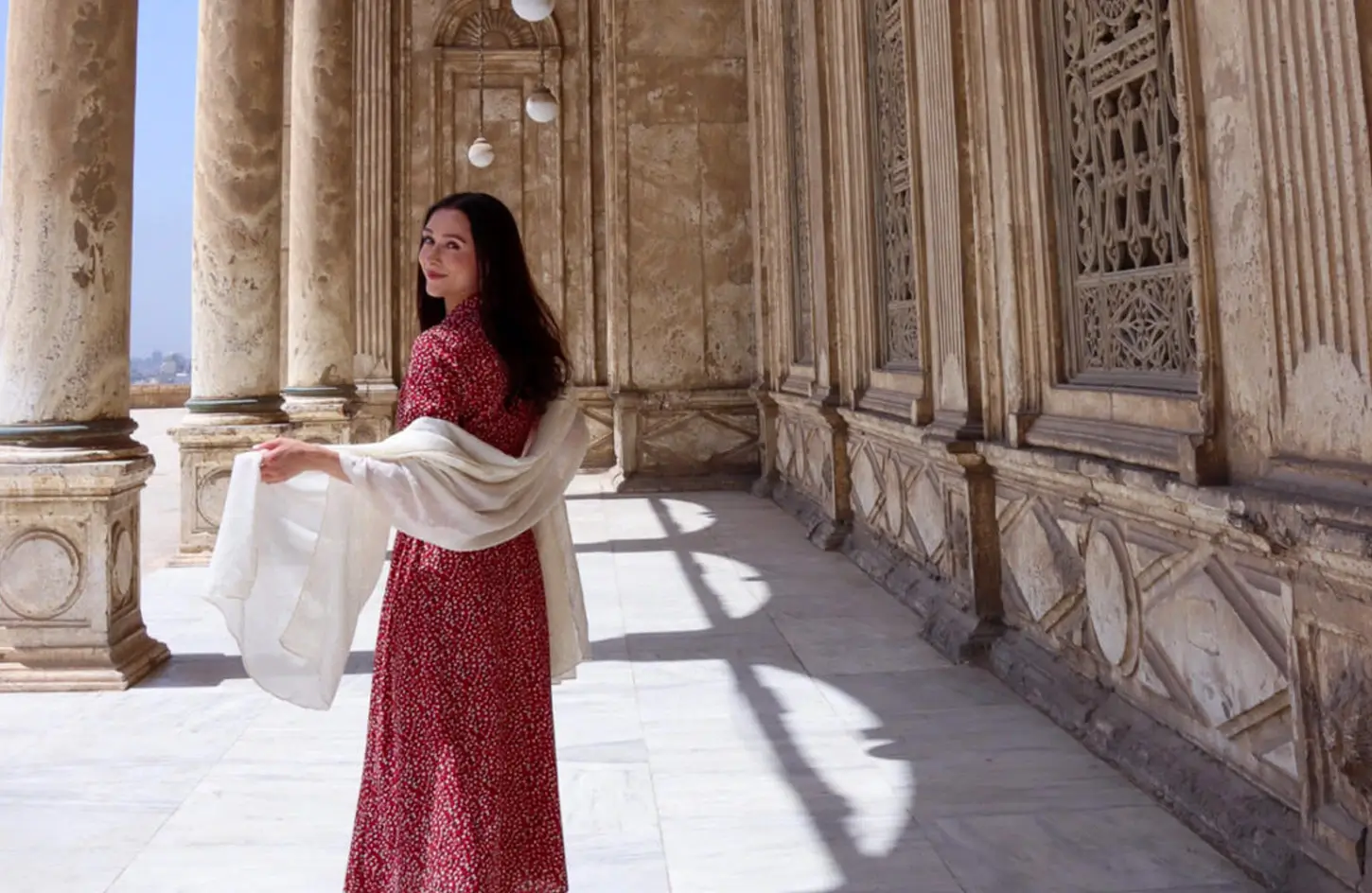
- A scarf or shawl, useful both for warmth on deck and for covering shoulders at religious and historical sites.
Is Winter Worth the Premium?
For most travelers, yes. The reliability of the weather is the whole point: you're not gambling on whether a given week will be a comfortable 25°C or an exhausting 42°C. If your dates are fixed around a holiday period and you don't mind paying more or booking early, winter remains the most dependable choice for enjoying full days of outdoor sightseeing without heat working against you. Travelers more sensitive to price or crowds, but less sensitive to heat, may find better value in the shoulder months of October, November, or March.
Winter Beyond the Nile Valley
If your trip extends beyond a Nile cruise, winter weather varies more across Egypt than most travelers expect. Cairo can feel genuinely cold at night and requires a real jacket, particularly for early starts to the Pyramids of Giza. The Red Sea coast (Hurghada, Sharm El Sheikh) stays notably milder than Cairo through winter, since the sea moderates temperature swings — sunbathing is often still comfortable during the day, even if swimming feels brisk. Alexandria and the north coast are exceptions to Egypt's usual dry pattern, receiving most of the country's modest winter rainfall between November and March. Building in a few extra layers if your itinerary spans several of these regions will keep you comfortable everywhere.
Booking Strategy for Winter Sailings
Because winter is when Nile cruise ships fill up fastest, a few practical habits go a long way. Decide on cabin category early — upper-deck cabins with better views and balcony options are usually the first to sell out for peak dates. If your travel dates are flexible, shifting even a week away from the Christmas/
New Year or February half-term peaks can meaningfully improve availability and pricing. And if Cairo sightseeing bookends your cruise, confirm hotel availability at the same time, since Giza-area hotels fill up alongside cruise ships during the same peak weeks.
Frequently Asked Questions
Does it get cold in Egypt in winter?
Cairo can get genuinely cold at night, with lows sometimes near or just above freezing in January. Luxor and Aswan stay milder overall, but mornings and evenings on a cruise ship's sun deck are cool enough that a light jacket is worth packing even in Upper Egypt.
Is January a good time for a Nile cruise?
Yes — January offers some of the most comfortable daytime temperatures of the year for temple sightseeing, though it's also one of the busiest and priciest months, particularly in the first couple of weeks right after New Year's.
Do I need a jacket on a winter Nile cruise?
A light jacket, fleece, or heavy sweater is genuinely useful for early-morning excursions, evenings on deck, and any time in Cairo, even though midday temperatures in Luxor and Aswan are usually mild and pleasant.
What's the single busiest week for Nile cruises?
The week spanning Christmas through New Year is consistently the busiest and most expensive period of the year for Nile cruise sailings and Nile Valley hotels alike.
Is winter better than summer for a first-time visit to Egypt?
For most first-time visitors, yes. Winter's mild daytime temperatures make it far easier to comfortably spend hours walking and exploring at sites like Karnak Temple, Luxor Temple, and the Valley of the Kings without the fatigue that intense heat brings. The trade-off is cost and crowds — first-timers who prioritize a quieter, cheaper trip over ideal weather may still prefer the shoulder or summer months instead.
December through February is when the majority of Egypt Cruise Trips' Nile cruise departures run at full capacity — booking a few months ahead is the simplest way to secure the sailing date and cabin you want.